

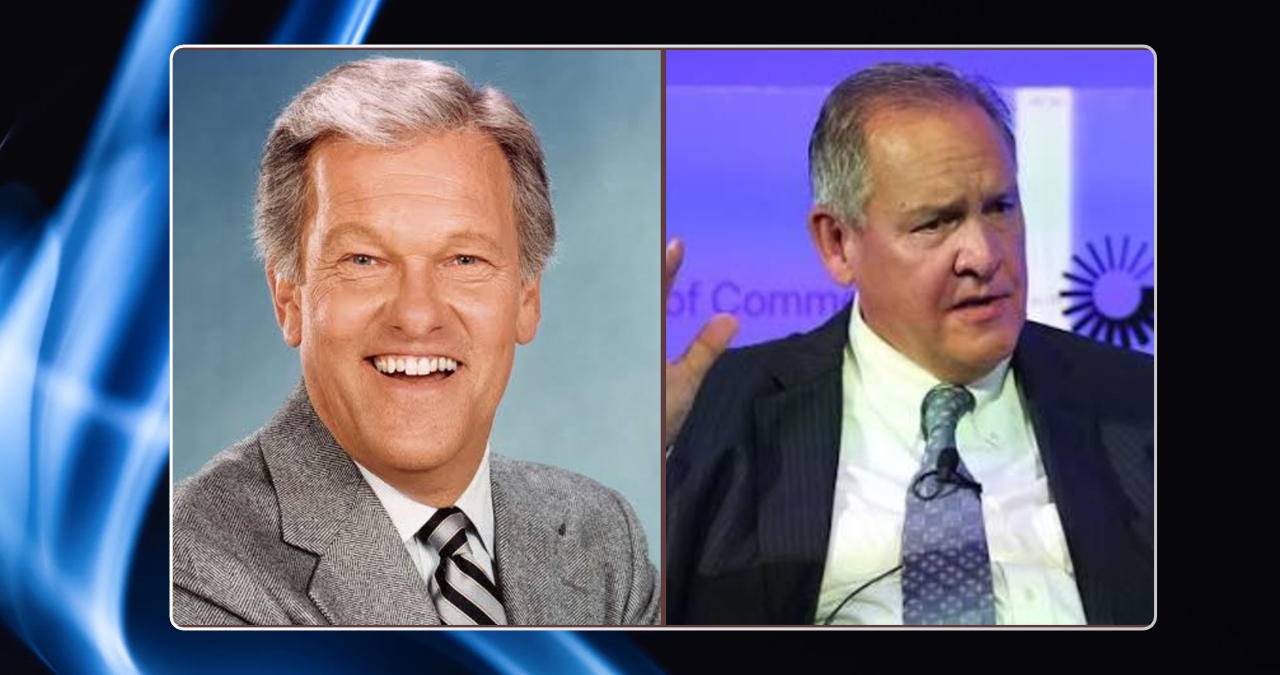
Greg Hayes and Tom Kennedy are two influential business executives whose careers became closely connected through one of the most significant mergers in the aerospace and defence industry. Their professional relationship gained particular attention in 2019 when United Technologies Corporation (UTC) and Raytheon Company announced plans to combine their businesses.
Greg Hayes led United Technologies, while Tom Kennedy was the chairman and chief executive officer of Raytheon. Both executives played important roles in developing the merger strategy and establishing the leadership structure of the combined organisation, which became Raytheon Technologies in April 2020.
Although they came from different corporate backgrounds, their shared experience demonstrates how strategic planning, engineering expertise, financial management, and executive leadership can shape a major international business. Understanding Greg Hayes and Tom Kennedy also provides valuable insight into the evolution of the modern aerospace and defence sector.
Who Is Greg Hayes?
Gregory J. Hayes is an American business executive known for his leadership in the aerospace, aviation, and defence industries. He became particularly recognised through his long career at United Technologies Corporation and his later leadership of Raytheon Technologies, now known as RTX Corporation.
Hayes built his reputation through experience in corporate finance, business development, acquisitions, and organisational transformation.
He joined United Technologies in 1999 through its merger with Sundstrand Corporation. Over the following years, he held several senior management positions before becoming chief financial officer in 2008.
In November 2014, Hayes became the chief executive officer of United Technologies. He was appointed chairman in 2016, giving him significant responsibility for the company’s strategic direction.
His leadership focused on transforming UTC into a more concentrated aerospace business.
Greg Hayes’s Early Career and Education
Hayes studied economics at Purdue University, where he earned his bachelor’s degree. He also became a Certified Public Accountant.
His financial background helped him develop an understanding of corporate performance, investment decisions, and business operations.
Rather than focusing exclusively on engineering or manufacturing, Hayes brought financial and strategic experience to an industry where large-scale investments and long-term planning are essential.
Major Career Achievements
One of Hayes’s most important contributions was reshaping United Technologies.
During his leadership, the company made several significant corporate decisions:
- Divested Sikorsky Aircraft in 2015.
- Acquired Rockwell Collins in 2018.
- Separated Otis Elevator Company and Carrier Corporation into independent businesses in 2020.
- Helped lead the combination of UTC’s remaining aerospace businesses with Raytheon.
These decisions changed the company’s structure and established the foundation for a major aerospace and defence organisation.
Who Is Tom Kennedy?
Thomas A. Kennedy, widely known as Tom Kennedy, is an American aerospace and defence executive who spent nearly four decades working at Raytheon.
He joined the company in 1983 and gradually advanced through technical, operational, and executive positions.
Kennedy’s professional experience included engineering, defence technology, business management, and international operations.
Before becoming Raytheon’s chief executive, he held leadership responsibilities across several business divisions. His experience gave him a detailed understanding of the company’s products, customers, and technological capabilities.
In 2014, Kennedy became chairman and chief executive officer of Raytheon Company.
His leadership period included developments in missile defence, intelligence systems, military technology, and international defence markets.
Tom Kennedy’s Professional Background
Kennedy’s career differed from Hayes’s financial and corporate strategy background.
He developed much of his professional experience within Raytheon itself, working across different areas of the organisation.
This provided him with practical knowledge of how defence technology businesses operate, particularly when dealing with complex engineering programmes and government customers.
His leadership responsibilities included:
- Managing major defence and aerospace operations.
- Supporting technological development.
- Expanding international business activities.
- Overseeing corporate strategy.
- Managing relationships with important defence customers.
Leadership at Raytheon
As Raytheon’s chairman and CEO, Kennedy helped guide the company through an important period of development.
Raytheon had established a strong position in defence systems, missile technology, intelligence, and military electronics.
Kennedy’s experience in these areas made him an important participant in discussions about combining Raytheon with United Technologies.
His technical and operational background complemented Hayes’s experience in finance and corporate restructuring.
Greg Hayes and Tom Kennedy: How Their Careers Became Connected
The professional connection between Greg Hayes and Tom Kennedy developed through the proposed merger of United Technologies Corporation and Raytheon Company.
In June 2019, the two companies announced an agreement to combine their businesses. The announcement represented a major development for the aerospace and defence industry.
Hayes represented UTC, while Kennedy represented Raytheon. Both executives publicly discussed the reasons behind the transaction, including the opportunities for innovation, research and development, and stronger business capabilities.
Their different professional backgrounds helped shape the leadership approach to the merger.
The 2019 Merger Announcement
The merger was designed to bring together two businesses with complementary strengths.
United Technologies had important aerospace operations, including Pratt & Whitney and Collins Aerospace. Raytheon had extensive experience in defence technology, missile systems, intelligence, and military electronics.
Combining these operations created opportunities to serve both commercial aviation and defence markets.
Their Roles in the Combined Company
The merger was completed in April 2020, creating Raytheon Technologies Corporation.
The leadership arrangement reflected the experience of both executives:
- Tom Kennedy: Became executive chairman of the combined company’s board.
- Greg Hayes: Became president and chief executive officer.
Kennedy provided continuity and guidance during the initial integration period, while Hayes took responsibility for leading the combined organisation’s operations and strategic direction.
This arrangement was an important part of the transition plan.
Greg Hayes vs Tom Kennedy: A Professional Comparison
Although both executives worked in the same industry, their careers, leadership experiences, and professional strengths were different.
| Comparison | Greg Hayes | Tom Kennedy |
|---|---|---|
| Full name | Gregory J. Hayes | Thomas A. Kennedy |
| Industry | Aerospace and defence | Aerospace and defence |
| Main company background | United Technologies | Raytheon |
| Joined respective company | 1999 | 1983 |
| CEO appointment | UTC in 2014 | Raytheon in 2014 |
| Main expertise | Finance and corporate strategy | Engineering and defence technology |
| Merger role | CEO of combined company | Executive chairman |
| Major contribution | Corporate transformation and merger leadership | Raytheon leadership and merger guidance |
Different Approaches to Executive Leadership
Hayes’s professional experience was strongly connected to financial management, acquisitions, and corporate restructuring.
Kennedy, meanwhile, developed extensive experience in engineering-related operations and defence technology.
These differences were valuable during the merger because combining two large organisations required more than financial planning. It also required an understanding of products, employees, customers, manufacturing operations, and technological development.
Shared Responsibilities
Despite their different backgrounds, both executives had several professional interests in common.
They were responsible for leading large organisations, managing complex operations, supporting innovation, and making decisions that affected international markets.
Their work also involved balancing long-term business objectives with the expectations of customers, investors, employees, and government stakeholders.
What Was the Importance of the Raytheon Technologies Merger?
The merger between UTC and Raytheon was significant because it brought together major businesses from two closely related industries.
Commercial aviation and military defence have different customers and requirements, but both depend on advanced engineering, electronics, software, manufacturing, and research.
The combination created a company with a broader range of capabilities.
Stronger Aerospace Capabilities
United Technologies contributed important aerospace businesses.
Pratt & Whitney is known for aircraft engines, while Collins Aerospace provides systems and equipment used in commercial and military aviation.
These businesses strengthened the combined company’s position in aviation technology.
Expanded Defence Technology
Raytheon contributed expertise in areas such as missile defence, radar, intelligence, and military systems.
These capabilities complemented the aerospace operations inherited from UTC.
The combination created opportunities to work across multiple areas of aerospace and defence rather than concentrating on a single market.
Greater Research and Development Opportunities
Both organisations had experience developing complex technologies.
Bringing their operations together created opportunities for collaboration across engineering teams, research programmes, and manufacturing capabilities.
However, a larger organisation does not automatically guarantee better innovation. Successful integration also depends on investment decisions, technical execution, workforce expertise, and customer requirements.
What Happened After Tom Kennedy Left Raytheon Technologies?
Tom Kennedy’s executive chairman position was part of the original leadership transition following the merger.
In April 2021, Raytheon Technologies announced that Kennedy would retire effective June 1, 2021.
His retirement came earlier than originally contemplated in the merger leadership arrangement.
The company credited him with playing an important role in creating the combined organisation and guiding the early integration process.
Following Kennedy’s departure, Greg Hayes became chairman in addition to continuing as chief executive officer.
This change marked an important stage in the company’s leadership development because Hayes assumed greater responsibility for both executive management and board leadership.
Greg Hayes’s Later Career and Leadership Transition
Greg Hayes continued leading Raytheon Technologies after Kennedy’s retirement.
In 2023, the company adopted the name RTX Corporation, reflecting its established corporate identity across its aerospace and defence businesses.
In May 2024, Christopher Calio succeeded Hayes as chief executive officer. Hayes continued as executive chairman during the transition.
Hayes subsequently stepped down from RTX’s board and executive chairman position in April 2025. He remained a special adviser during a transition period, with his advisory role scheduled to continue through January 2026.
His later professional activities have included corporate board responsibilities, including positions at Phillips 66 and Becton, Dickinson and Company.
This demonstrates how his experience in corporate transformation and executive management continued to be relevant beyond his time leading RTX.
What Can Business Leaders Learn from Greg Hayes and Tom Kennedy?
The professional relationship between Hayes and Kennedy offers several useful lessons for business owners, executives, and people interested in corporate management.
Complementary Skills Can Strengthen Leadership
Hayes brought financial and strategic experience, while Kennedy contributed deep knowledge of Raytheon’s technology and operations.
A successful leadership team does not necessarily require executives with identical backgrounds.
Different skills can improve decision-making when responsibilities and objectives are clearly defined.
Large Mergers Require Careful Planning
Combining two major companies involves more than signing an agreement.
Management teams must consider organisational structures, employees, customers, financial responsibilities, technology, and long-term investment.
The UTC-Raytheon merger demonstrates the importance of establishing a leadership transition plan before integration begins.
Industry Knowledge Matters
Both executives had substantial experience in aerospace and defence.
This knowledge helped them understand the commercial, technical, and operational considerations involved in combining their organisations.
Business leaders can learn from this approach by developing industry expertise before making major strategic decisions.
Leadership Transitions Need Clear Responsibilities
Kennedy’s initial executive chairman position and Hayes’s CEO appointment established a defined division of responsibilities.
The subsequent transition in 2021 illustrates why succession planning and clear leadership arrangements are important for large organisations.
Frequently Asked Questions
Are Greg Hayes and Tom Kennedy related?
There is no established public information indicating that Greg Hayes and Tom Kennedy are family members. Their connection is professional and comes from their leadership roles at United Technologies and Raytheon.
Did Greg Hayes and Tom Kennedy work for the same company?
Yes. They both held senior leadership positions at Raytheon Technologies after the 2020 merger. Kennedy became executive chairman, while Hayes served as president and CEO.
Who was the CEO of Raytheon before the merger?
Tom Kennedy was chairman and CEO of Raytheon Company before the merger with United Technologies Corporation in April 2020.
Who became CEO after the Raytheon and UTC merger?
Greg Hayes became president and chief executive officer of the newly combined Raytheon Technologies Corporation in April 2020.
Why did Tom Kennedy leave Raytheon Technologies?
Kennedy announced his retirement in April 2021, effective June 1, 2021. His departure followed the successful completion of the merger’s first-year leadership transition.
What is Raytheon Technologies called today?
The company changed its name to RTX Corporation in 2023. RTX operates across aerospace and defence markets through its major business divisions.
What is Greg Hayes doing now?
Hayes left RTX’s board and executive chairman position in April 2025. He subsequently held a special advisory role through its scheduled end in January 2026 and has continued with other corporate board responsibilities.
What made Greg Hayes and Tom Kennedy’s partnership important?
Their partnership brought together different areas of executive expertise. Hayes contributed financial and corporate strategy experience, while Kennedy brought decades of Raytheon leadership and defence technology knowledge. Together, they helped establish the leadership structure for a major aerospace and defence merger.
Conclusion
Greg Hayes and Tom Kennedy played important roles in shaping the modern aerospace and defence industry through their leadership at United Technologies and Raytheon.
Hayes developed his career through financial management, acquisitions, and corporate transformation, while Kennedy built extensive experience in engineering, defence technology, and Raytheon’s operations.
Their professional partnership became particularly important during the 2020 merger that created Raytheon Technologies. Although their leadership responsibilities changed over time, their contributions helped establish the organisation that later became RTX Corporation.
Their careers provide an interesting example of how different executive skills, industry knowledge, and strategic planning can come together to influence a major international business.
You May Also Read
gail boudreaux and michael phelps
