

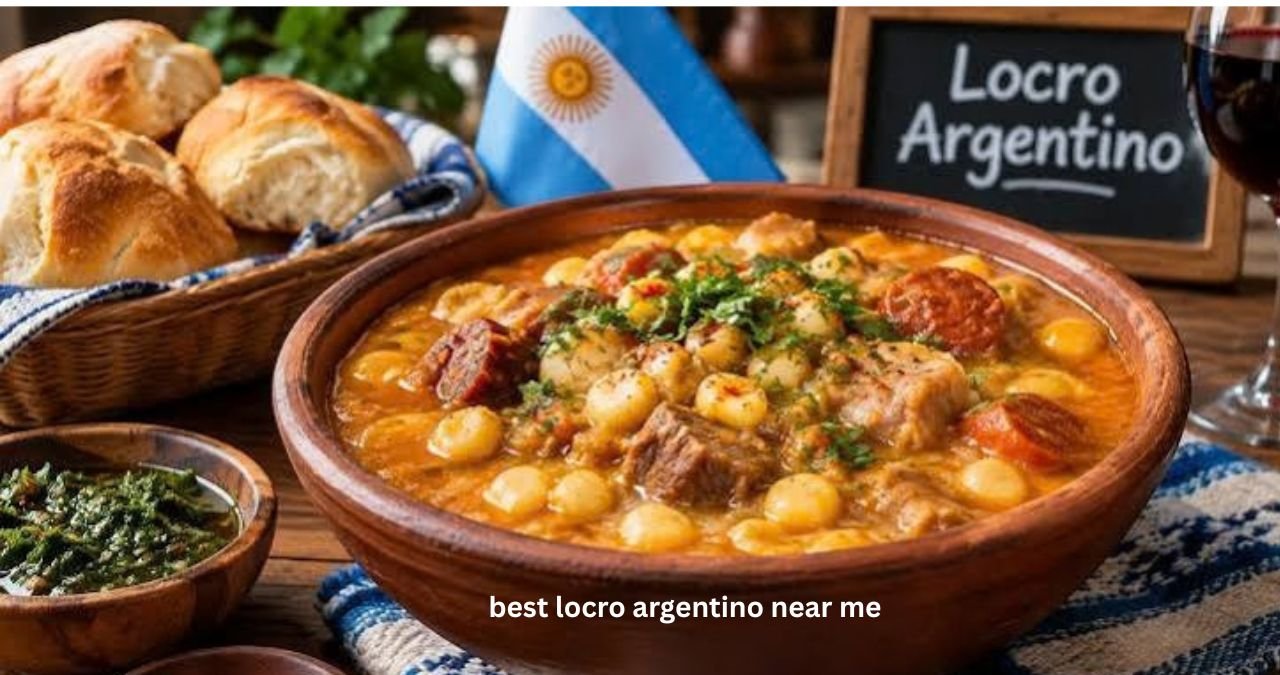
Finding the best locro argentino near me can feel like discovering a small piece of Argentina in your own neighborhood. This hearty traditional stew is far more than a simple bowl of food. Locro is closely connected with Argentine history, family traditions, national celebrations, regional cooking, and the comforting flavors of slow-cooked ingredients. Made with ingredients such as white corn, beans, pumpkin or squash, potatoes, and different cuts of meat, authentic locro is rich, filling, and deeply satisfying.
For people searching for Argentine restaurants, traditional South American food, or an authentic dish to try for the first time, locro is an excellent choice. Its thick texture, savory flavor, and long cooking process give it a character that is difficult to reproduce with fast-food techniques. Whether you are visiting an Argentine restaurant, looking for a traditional Latin American meal, or simply curious about Argentine cuisine, understanding what makes good locro can help you choose a better dining experience.
What Is Argentine Locro?
Argentine locro is a traditional stew associated with the Andean region of South America and especially with Argentina. Over generations, the dish developed into one of the country’s most recognizable comfort foods. It is generally prepared with corn, beans, vegetables, and meat, although the exact ingredients and proportions can vary considerably from one region and family to another.
The dish is known for its thick consistency and substantial ingredients. Unlike a light soup, locro is designed to be a complete and filling meal. The long cooking process allows the ingredients to soften and release their flavors into the broth, creating a rich texture that becomes even more enjoyable when served hot.
Traditional versions may include beef, pork, chorizo, bacon, or other flavorful cuts of meat. Pumpkin or squash can provide sweetness and body, while beans and corn contribute texture and substance. A spicy or aromatic sauce called salsa may also be served alongside the stew, allowing diners to adjust the flavor according to their preferences.
Why Locro Is So Important in Argentine Culture
Locro has a special cultural role in Argentina. It is particularly associated with important national celebrations, including May 25, which commemorates the May Revolution, and July 9, Argentina’s Independence Day.
During these occasions, families, community groups, restaurants, and cultural organizations often prepare large quantities of locro. Sharing the dish has become part of the social experience surrounding national celebrations.
This cultural connection makes locro different from an ordinary restaurant meal. For many Argentines, the dish represents family, heritage, community, and memories of traditional cooking. A bowl prepared according to an old family recipe may carry stories and techniques passed down through generations.
That history is one reason people searching for the best locro argentino near me should consider authenticity as well as taste. The most memorable bowl may be the one that captures the traditional spirit of the dish rather than simply offering a generic meat stew.
The History Behind Argentine Locro
The roots of locro extend deep into the culinary traditions of Indigenous communities in the Andes and surrounding regions. Corn and other native ingredients played an important role in pre-Columbian diets, and hearty stews were practical ways of preparing nutritious meals from locally available foods.
As different cultures interacted across South America, cooking traditions changed. European ingredients, including certain meats and cooking techniques, gradually became part of regional recipes. Argentine locro developed through this long culinary evolution, combining Indigenous foundations with ingredients and influences introduced later.
The result is a dish that reflects several layers of South American history. Corn and squash connect the stew to Indigenous agricultural traditions, while pork and other meats demonstrate later culinary influences.
Over time, different Argentine regions developed their own interpretations. Some versions are particularly thick and meaty, while others emphasize vegetables, corn, or beans. This regional flexibility is part of what makes locro such an interesting dish to explore.
What Makes Authentic Locro Different?
When searching for an authentic Argentine restaurant, it helps to understand what separates traditional locro from an ordinary stew. The first major difference is the preparation time.
Locro is generally a slow-cooked dish. The ingredients need time to soften and combine, and the flavors become deeper as the stew cooks. Rushing the process can result in ingredients that remain too firm or flavors that have not properly developed.
Another important characteristic is texture. Authentic locro is usually thick and substantial rather than watery. The corn, beans, vegetables, and meat should come together into a cohesive dish without becoming completely indistinguishable.
The seasoning is also important. Traditional locro is flavorful without necessarily being overwhelmingly spicy. Many restaurants serve a separate chili or paprika-based salsa, allowing diners to add heat according to taste.
Key Ingredients Found in Traditional Locro
The exact ingredients vary, but several foods appear frequently in traditional Argentine locro.
White corn, particularly large-kernel corn varieties, is an important component. It gives the stew its characteristic texture and contributes to its satisfying, hearty nature.
Beans are another common ingredient. They add protein, texture, and thickness while helping make locro a substantial meal.
Pumpkin or squash may be used to create body and a subtle sweetness. As the squash cooks, it can partially break down into the broth and give the stew a smoother consistency.
Meat is often central to non-vegetarian versions. Beef, pork, sausage, bacon, and other cuts may be combined. The choice of meat can significantly affect the final flavor.
Onions and other aromatic vegetables help establish the savory foundation. Spices and herbs vary by recipe, with paprika, chili, and other seasonings often used to add depth.
How Locro Is Traditionally Prepared
Preparing traditional locro is a slow process. Dried beans and corn may require soaking before cooking, depending on the ingredients being used. Meat is prepared alongside the other components, while vegetables are gradually added as the stew develops.
The ingredients cook slowly so that flavors have time to combine. This is one reason restaurant-quality locro often tastes different from a quickly prepared homemade stew.
The final consistency should be thick and hearty. Some ingredients remain recognizable, while others soften enough to become part of the rich base.
Many traditional preparations are made in large pots, especially when locro is being served during a family gathering or national celebration. Cooking a large batch also allows the flavors to develop gradually.
How to Find the Best Locro Argentino Near Me
When looking for the best locro argentino near me, the first thing to consider is whether the restaurant actually specializes in Argentine or broader South American cuisine. A restaurant with experience preparing Argentine dishes is more likely to understand the traditional ingredients and cooking techniques.
The menu can provide useful clues. Look for descriptions mentioning traditional locro, Argentine-style stew, white corn, beans, squash, beef, pork, chorizo, or traditional Argentine spices.
It is also worth considering when the restaurant serves locro. Because of its cultural connection with Argentine holidays, some restaurants offer it more frequently around national celebrations rather than keeping it permanently on the menu.
Local reviews can also be useful, especially when several Argentine restaurants are available. Pay attention to comments about authenticity, portion size, flavor, texture, freshness, and whether the dish tastes traditionally prepared.
What Should Good Locro Taste Like?
Good locro should have a deep, savory flavor with noticeable richness from the meat and a mild sweetness from vegetables such as squash. The corn and beans should be tender without completely losing their texture.
The stew should feel substantial but not excessively greasy. Meat should be tender enough to eat comfortably, while the broth should have enough flavor to bring the different ingredients together.
Spice levels can vary. Traditional locro does not have to be extremely hot. Instead, diners may add a spicy salsa to increase the heat.
A well-prepared bowl should also feel balanced. No single ingredient should overwhelm everything else. The best versions allow corn, beans, vegetables, meat, and seasonings to work together.
Locro and Argentine National Holidays
Locro is particularly popular during Argentina’s national holidays. May 25 and July 9 are especially significant occasions when families and communities may gather around traditional foods.
Restaurants may create special menus for these celebrations, and locro can become one of the main dishes available.
This connection gives diners an opportunity to experience Argentine food in a cultural context. Rather than ordering locro simply as another menu item, visitors may enjoy it as part of a broader celebration of Argentine history and identity.
For someone unfamiliar with Argentine cuisine, trying locro around a national holiday can therefore be an especially memorable experience.
Locro Compared With Other Argentine Comfort Foods
Argentina is famous internationally for foods such as empanadas, asado, milanesa, and choripán. Locro occupies a different place within the country’s food culture.
Asado is centered around grilled meats and is strongly associated with outdoor cooking and social gatherings. Empanadas are portable pastries filled with meat, cheese, vegetables, or other ingredients. Choripán combines grilled chorizo with bread and is especially popular at casual gatherings.
Locro is different because it is a slow-cooked stew. It is particularly suited to colder weather, long meals, and large gatherings.
If you enjoy rich soups, stews, beans, corn, and slow-cooked meat, locro may be one of the most satisfying Argentine dishes to explore.
Is Locro Healthy?
Locro can provide several nutritional components, although its nutritional profile depends heavily on the recipe and serving size.
Beans and corn provide carbohydrates, fiber, and other nutrients. Vegetables such as squash contribute vitamins and minerals. Meat can provide protein and important nutrients such as iron and vitamin B12.
However, traditional versions can also contain substantial amounts of fat and sodium, particularly when pork, sausage, bacon, or fatty cuts of meat are included.
For this reason, locro is best understood as a hearty traditional meal rather than a light dish. People following particular dietary requirements should ask the restaurant about ingredients before ordering.
Vegetarian and Modern Versions of Locro
Although traditional locro often contains meat, modern restaurants and home cooks may create vegetarian interpretations.
A vegetarian version can emphasize corn, beans, squash, potatoes, onions, and other vegetables while using vegetable stock instead of meat-based ingredients. These versions may be lighter but can still preserve the thick texture and comforting qualities associated with locro.
Some modern chefs also experiment with different ingredients while retaining the basic concept of a slow-cooked Argentine stew.
These adaptations demonstrate how traditional foods can evolve while maintaining connections to their culinary origins.
Why Locro Is Especially Popular in Cold Weather
A hot bowl of locro is naturally suited to cooler temperatures. Its thick consistency and combination of carbohydrates, protein, vegetables, and fat make it a satisfying meal when the weather becomes cold.
Slow-cooked dishes also have a comforting quality that makes them popular during autumn and winter.
For diners searching for a warm Argentine meal on a chilly day, locro can be an especially appealing choice. The combination of tender ingredients and rich broth creates the kind of meal that encourages people to eat slowly and enjoy the experience.
What to Ask an Argentine Restaurant Before Ordering Locro
If you are trying locro for the first time, do not hesitate to ask how the restaurant prepares it. Asking whether the recipe is traditional can help you understand what to expect.
You can also ask what meats are included, whether the dish contains pork or sausage, how spicy it is, and whether a separate salsa is served.
If you have allergies or dietary restrictions, asking about ingredients is particularly important because recipes can vary significantly.
Restaurants may also prepare locro differently depending on the region or family tradition behind the recipe. Two bowls can therefore taste quite different while both remaining legitimate interpretations of the dish.
How Locro Has Changed Over Time
Like many traditional foods, locro continues to evolve. Modern chefs may adjust cooking methods, presentation, ingredients, and portion sizes while maintaining the essential character of the dish.
Restaurants outside Argentina may also adapt recipes to local ingredient availability. This can result in versions that are inspired by Argentine locro without being identical to a preparation found in Argentina.
That does not necessarily make them inferior. Food traditions naturally change as they travel. What matters is whether the restaurant presents its interpretation honestly and preserves the core qualities that define the dish.
Locro in Argentine Restaurants Around the World
As Argentine cuisine has become more popular internationally, locro has appeared on menus in restaurants outside Argentina.
Argentine restaurants in North America, Europe, Australia, and other parts of the world may offer the dish, particularly during Argentine cultural celebrations.
For international diners, this creates an opportunity to explore a traditional food without traveling to Argentina.
However, availability can be seasonal. If you specifically want locro, checking the current menu or asking the restaurant before visiting can save time.
The Growing Interest in Traditional Argentine Cuisine
Global interest in Argentine food has expanded beyond steak and empanadas. Diners increasingly want to understand regional dishes, traditional cooking methods, and the cultural stories behind food.
This trend benefits dishes such as locro because the stew offers a deeper connection to Argentine culinary heritage.
People are increasingly interested not only in what a dish tastes like but also in where it comes from, how it is prepared, and why it matters.
Locro fits naturally into this growing interest in authentic, culturally meaningful cuisine.
Tips for Choosing a Restaurant for an Authentic Experience
A good Argentine restaurant should ideally demonstrate knowledge of Argentine culinary traditions. A menu with several recognizable Argentine dishes can be a positive sign.
Look for descriptions that explain ingredients rather than using vague language. Traditional dishes deserve enough attention to communicate what diners are actually ordering.
Restaurant atmosphere can also enhance the experience. Argentine music, décor, wine selections, and other regional dishes can create a more complete introduction to the cuisine.
Most importantly, focus on food quality. A restaurant does not need elaborate decorations to prepare excellent locro. Careful preparation, fresh ingredients, appropriate seasoning, and sufficient cooking time matter much more.
Common Mistakes When Trying Locro for the First Time
One common mistake is expecting locro to taste like a standard vegetable soup. It is considerably thicker and more substantial.
Another mistake is assuming every bowl will be spicy. Traditional locro can be flavorful without being intensely hot, and additional heat is often provided through a separate sauce.
Some diners may also expect every recipe to contain exactly the same ingredients. In reality, regional and family variations are common.
Understanding these differences can make the first experience more enjoyable because you approach the dish with realistic expectations.
Can Locro Be Made at Home?
Yes, locro can be prepared at home, although it requires patience. The dish is particularly suitable for people who enjoy slow cooking and traditional recipes.
The process generally involves preparing the beans and corn, cooking the meat and vegetables, and allowing everything to simmer until tender and well integrated.
The biggest challenge is time. Locro is not usually a meal designed for rushed preparation. The slow cooking process is part of what creates its distinctive character.
For many home cooks, that time is worthwhile because the finished dish can feed several people and often becomes even more enjoyable when shared with family or friends.
Why Locro Is More Than Just a Meal
Food often carries cultural meaning, and locro is a strong example of this idea. Its connection with Argentine national celebrations, Indigenous culinary traditions, family recipes, and community gatherings gives it significance beyond taste.
A bowl of locro can tell a story about Argentina’s history and the way different culinary traditions have influenced one another.
This cultural dimension is one of the reasons authentic Argentine food is worth exploring. Understanding the background of a dish can make the dining experience much more meaningful.
Frequently Asked Questions About Locro Argentino
What is Argentine locro made of?
Argentine locro is traditionally prepared with ingredients such as white corn, beans, squash or pumpkin, vegetables, and meat. Depending on the recipe, it may also include beef, pork, sausage, bacon, and different seasonings.
Is Argentine locro spicy?
Locro itself is not necessarily extremely spicy. Many traditional preparations are savory and mildly seasoned, while a separate spicy salsa can be added for extra heat.
Why is locro important in Argentina?
Locro has strong historical and cultural connections with Argentina and is especially associated with national holidays such as May 25 and July 9. It is also connected with family gatherings and traditional cooking.
What does locro taste like?
Locro generally has a rich, savory flavor with sweetness from squash or pumpkin and hearty flavors from corn, beans, and meat. Its texture is thick and comforting rather than thin like a conventional soup.
Is locro a soup or stew?
Locro is generally better described as a thick stew. Its consistency can vary between recipes, but traditional versions are usually substantial and filling.
Can vegetarians eat locro?
Traditional locro often contains meat, but vegetarian versions are possible. Restaurants may offer plant-based adaptations made with beans, corn, squash, potatoes, and vegetables.
When is the best time to eat locro?
Locro is particularly enjoyable during cooler weather and is commonly associated with Argentine national celebrations. However, restaurants may serve it throughout the year depending on their menu.
How do I find the best locro argentino near me?
Start by looking for Argentine restaurants with traditional dishes and checking whether locro is currently available. Reviews, menu descriptions, preparation style, ingredient information, and restaurant reputation can all help you make a better choice.
Final Thoughts on Finding the Best Locro Argentino Near You
Searching for the best locro argentino near me is ultimately about more than finding a filling bowl of stew. It is an opportunity to discover one of Argentina’s most meaningful traditional foods and experience the flavors, history, and customs connected to it.
The best locro should be hearty, flavorful, well-cooked, and balanced. Tender meat, creamy squash, satisfying beans, substantial corn, and aromatic seasoning should come together naturally rather than competing with one another. A separate spicy salsa can add another dimension for diners who enjoy more heat.
When choosing where to try it, consider the restaurant’s experience with Argentine cuisine, the authenticity of its menu, the quality of its ingredients, customer feedback, and whether the dish is prepared traditionally. Seasonal availability is also important because some restaurants serve locro primarily around Argentine national celebrations.
Whether you are already familiar with Argentine cuisine or are tasting it for the first time, locro offers a memorable introduction to the country’s food culture. It is a dish shaped by history, adapted through generations, and still enjoyed today as a symbol of comfort, community, and Argentine culinary identity.
